Many people are now living off-grid and enjoying the benefits of this unique lifestyle. Increasingly, people love the idea of fully controlling their energy supply with solar panels or
another alternative energy source, rather than relying on the power company. When it comes to
waste treatment, installing an off-grid septic system is an affordable green solution if living off-grid is your dream.
What is an Off-Grid Septic System?
Septic systems are a self-contained waste treatment solution for handling sewage and the flow
from drains from a house.
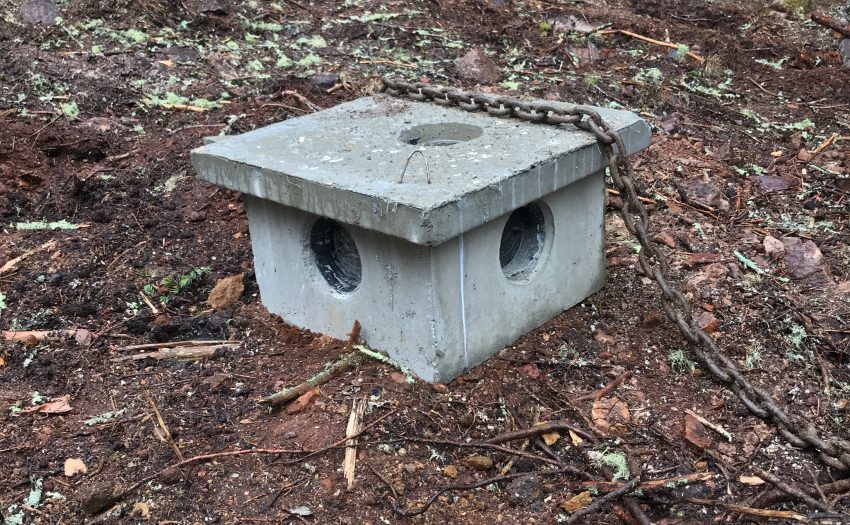
A septic system has a large holding tank connected to lateral pipes, all buried deep underground.
The wastewater drains from the house into the septic tank. Solid materials then sink to the
bottom of the tank, where they are broken down by helpful types of bacteria.
The excess liquid slowly flows out of the tank into the lateral pipes and is distributed into the
surrounding soil in the leach field. The entire system is self-contained and does not require any
connection to a municipal sewage waste disposal system.
Requirements for an Off-Grid Septic System
Before you build a septic system, you usually need a permit from the county building or health
department. The permit approval process assures you of having a septic system designed for the
soil type in your area and size of your home.
The soil where the septic system will be installed must have adequate drainage capacities to
handle the volume of waste. If the soil does not drain well, you may be required to haul in better
quality dirt to surround the tank and leach lines to achieve proper drainage, so the system works
properly.
In most cases, the first step in installing a septic system is doing a perc test. A perc test is
a particular type of soil test to determine how easily fluids percolate through the soil as they drain
from the leach pipes.
A perc test involves digging a deep test hole and then testing samples of the earth at various
levels to see how well they drain.
Once you have this information from the perc test, you can plan and design the off-grid septic system for the size of the house you are building. A larger house requires a larger holding tank and leach field area.
Alternative Disposal Methods for Living Off-Grid
Composting toilets and greywater disposal systems are possible alternatives to having an off grid
septic system.
A composting toilet collects waste matter in a bin under the toilet seat and this waste material
breaks down in the collection bin with the help of friendly bacteria and added organic matter.
You can buy a compost toilet ready to install or custom design and build one on-site at your off-
grid home. The toilet does not require any connection to plumbing or drainage pipes.
After using the toilet, you add a cupful of sawdust or peat moss to provide carbon for the bacteria
and to reduce odors and hasten the composting process. You can also dispose of toilet paper in
the system.
You will need to periodically remove waste from the bin. However, by the time you do this,
everything has broken down into usable compost. This compost can then be
spread as a fertilizer on non-edible plants in the garden, buried, or taken to a waste disposal
facility.
Not all municipalities allow compost type toilets, but when they are approved, they can be an
economical alternative solution for disposing of human waste.
Greywater systems collect the flow from sinks, showers, bathtubs, and washing machines. The
liquid is then either piped directly into a garden or lawn area where it can provide water to
plants. Or, the water can be collected in a lagoon away from the house and absorbed into the
ground.
It is also possible to recycle greywater to flush the toilet. Blackwater is water passing out of a toilet. For health and sanitation reasons, careful disposal of blackwater must take place.
Water from flush toilets must flow into an off-grid septic system or into a municipal sewage
system to comply with local building health and safety regulations.
How to Plan and Design an Off-Grid Septic System
Designing and building an off grid septic system requires experience, heavy equipment, and
working with the local building department and inspectors.
Unless you already have plenty of experience in this type of construction work, it’s best to hire a professional. They will design as well as build your unique off grid septic system to suit.
Luther’s Home Building and Construction Service is an expert in installing off grid septic
systems and other alternative waste disposal systems.
Contact us today at (207) 335-2010 for more information about off-grid septic systems and an
estimate for all your off-grid construction needs.


