
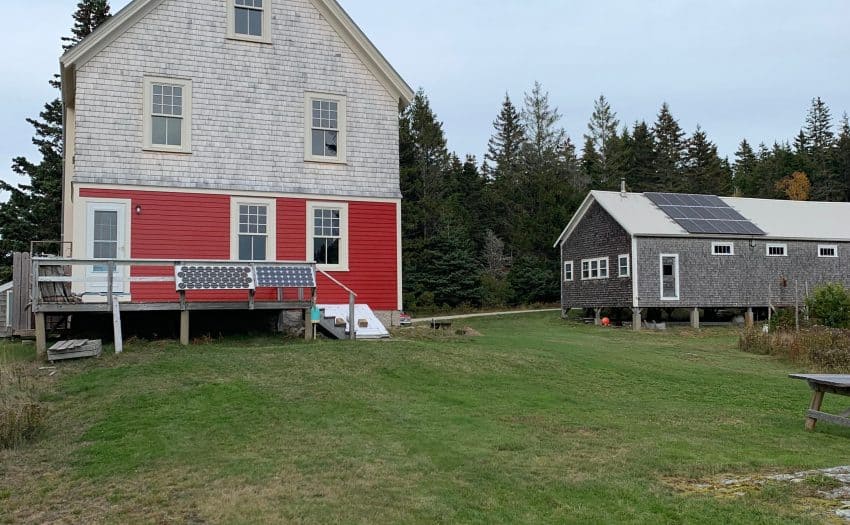
Are you tired of living in the city? Or more specifically an area where it’s easy for your neighbors to look directly
into your backyard? Then it just might be time to consider building an off grid home. A home in a more remote area such as Isle Au Haut, Maine.
This type of lifestyle can be extremely rewarding as you have a chance to get back to your roots and live as your ancestors did years ago. However, to begin your journey, you’ll have to plan to incorporate three major necessities. Unlike moving from city to city, when you decide to go off the grid, it requires extensive planning and preparation.
Generating Electrical Power
One of the biggest considerations that you will have to tackle when building an off grid home in
Hancock County, Maine is how you are going to generate electrical power.
Electricity is used to operate several applications that are typical in a conventional home. This can range from running a refrigerator and electric range to lighting and hot water heating. You may need to look at
alternatives and ways that you can use the natural resources of the earth to live more naturally.
Two of the most common ways to produce electricity for all of your applications is by utilizing
wind and solar power…….
If you can utilize both, this will help you generate more electricity or act as a backup when one of the sources isn’t working as well.
This can depend on the geography of your property, which must be taken into consideration. If your home is surrounded by high trees, it may block the wind and make wind power unsuitable. You’ve got to have southern exposure of the sun if you want to use solar power, which even then can run into trouble if there’s a cloudy day.
Alternatives can be considered such as using a wood stove to heat your home during the winter
months when it’s cold. You can also incorporate a root cellar when building an off grid home.
Which can help keep canned foods cold. Installing an energy-efficient deep freezer in a root
cellar that’s already cooler can also cut down on electricity use. And of course also assist in keeping your food
frozen.
Water
A second major area to consider when building an off grid home is how you’re going to obtain
water, which is essential for your survival. A water well is usually the first choice for this natural
resource. You’ll need to utilize a pump and a large collection tank to store your water, and once
it’s in place, you may want to have it tested periodically to help make sure it’s suitable for
drinking.
Water use for an average American household may run as high as 100 gallons per day for each
person. This can include water for the lawn, flushing a toilet, bathing and other types of cleaning.
In comparison, an average African family gets by with just 5 gallons of water use per day for
each person. When building an off grid home, you may want to consider being as efficient as
possible when you’re using water, which can help cut down on waste.
Sewage System
Another essential that is crucial to have if you want to enjoy this type of lifestyle is to have a way
to get rid of the waste from your home. Even in areas where there may not be building codes, it’s
important to dispose of waste properly to make sure you stay healthy. One of the best ways is to
have a septic system that removes your sewage. Composting toilets are also utilized in certain
areas.
If a septic tank is viable, there are other ways of building an off grid home and incorporating
water disposal. Waste water can be split into two different parts, which include black water and
gray water. Gray water can be used to water your garden or flushing a toilet. This helps cut down
on your overall water consumption. Black water can be used in a composting toilet along with
unwanted natural items such as grass clippings, leaves and kitchen scraps.
Which Lifestyle Do You Desire?
It should be noted that you can choose how primitive you’d like to live when building an off grid
home. In several areas of Hancock County, Maine, you’ll have your privacy and be able to reap
the rewards of this healthy lifestyle by just using effective methods that help conserve your water
and electricity use.
By being environmentally responsible and connecting with nature, you’ll be able to leave a
society where slamming doors, honking horns and shrill sirens are the norms. Having the
freedom to walk outside of your home and enjoy the tranquility and sounds of birds chirping or a
flock of geese flying overhead can make building an off grid home and living this lifestyle so
wonderful.


